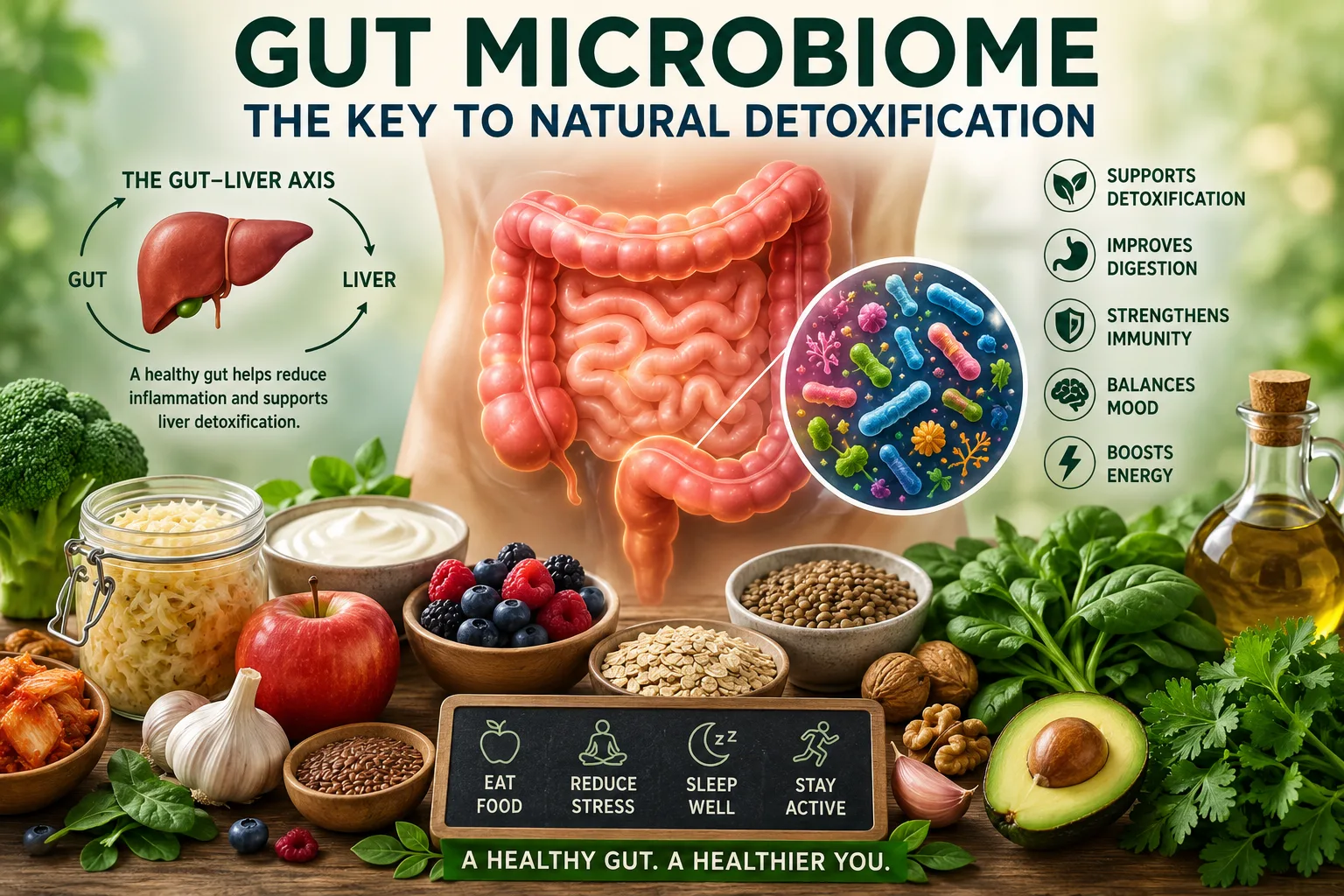
The Complete Guide to the Gut Microbiome and Natural Detoxification
For many years, the word "detox" has been associated with juice cleanses, restrictive diets, and short-term fasting programs. While these approaches often dominate social media, modern scientific research tells a very different story. Your body already possesses a sophisticated detoxification system that operates around the clock. Instead of relying on quick fixes, this system depends on several organs working together—including the liver, kidneys, digestive tract, lungs, skin, and one of the most overlooked components of all: the gut microbiome.
The gut microbiome is a vast ecosystem of trillions of microorganisms that inhabit the digestive tract. These bacteria, fungi, and other microbes perform essential functions that influence digestion, immune regulation, metabolism, vitamin production, inflammation, and even communication with the brain. Over the last decade, researchers have also discovered that the microbiome plays a significant role in supporting the body's natural detoxification pathways.
A balanced microbiome helps maintain the integrity of the intestinal barrier, assists in metabolizing dietary compounds, influences bile acid metabolism, supports liver function through the gut-liver axis, and reduces exposure to harmful substances that could otherwise enter the bloodstream. When this microbial ecosystem becomes disrupted, however, inflammation may increase, digestion can become impaired, and the liver may face additional stress.
Rather than searching for miracle detox products, understanding how to nourish your gut microbiome may be one of the most effective long-term strategies for supporting your body's natural cleansing systems. This guide explains the latest scientific understanding of the gut microbiome and how nutrition and healthy lifestyle habits can promote digestive and metabolic wellness.
What Is the Gut Microbiome?
The gut microbiome refers to the enormous community of microorganisms living primarily inside the large intestine. Scientists estimate that the human digestive tract contains trillions of microbes representing hundreds of bacterial species. Although bacteria often receive the most attention, the microbiome also includes beneficial fungi, viruses, and other microscopic organisms that coexist within a healthy digestive system.
Far from being harmful, most of these microorganisms perform vital functions that humans cannot accomplish alone. They help digest complex carbohydrates, ferment dietary fiber into beneficial short-chain fatty acids, produce certain vitamins, regulate immune responses, and compete with potentially harmful microbes.
Every person's microbiome is unique. Genetics influence its development, but daily lifestyle choices have an even greater impact. Diet, sleep quality, physical activity, stress levels, medication use, antibiotic exposure, alcohol consumption, smoking, and environmental factors continuously shape the microbial population inside the gut.
Scientists often compare the microbiome to a rainforest. A healthy rainforest contains thousands of species that work together to maintain ecological balance. Similarly, a healthy gut depends on microbial diversity rather than one single "good" bacterium. Greater diversity is generally associated with improved resilience, digestive health, and metabolic function.
Why Your Gut Is Essential for Natural Detoxification
Natural detoxification does not occur in one organ alone. Instead, it relies on cooperation between multiple body systems. The digestive tract plays a particularly important role because it acts as both a nutrient absorption center and a protective barrier against harmful compounds.
Each day, food, beverages, medications, environmental chemicals, and naturally occurring microbial compounds pass through the digestive tract. The intestinal barrier determines which substances enter circulation while preventing many unwanted materials from reaching the bloodstream.
Beneficial gut bacteria contribute to this process by maintaining healthy intestinal cells, producing protective compounds, supporting mucus production, and helping regulate immune activity within the digestive tract. When the gut barrier functions properly, fewer inflammatory substances reach the liver, allowing it to focus on its normal metabolic and detoxification activities.
Dietary fiber is especially important because beneficial bacteria ferment it into short-chain fatty acids such as butyrate, acetate, and propionate. These compounds nourish colon cells, strengthen the intestinal barrier, reduce inflammation, and help maintain overall digestive health.
Rather than removing "toxins" directly, the microbiome supports the body's ability to manage normal metabolic waste efficiently through healthy digestive function.
The Gut-Liver Axis Explained
One of the most fascinating discoveries in nutritional science is the gut-liver axis. This term describes the continuous communication between the digestive tract and the liver through the portal vein, immune signaling molecules, bile acids, hormones, and microbial metabolites.
After nutrients are absorbed from the intestines, they travel directly to the liver through the portal circulation. This allows the liver to process carbohydrates, proteins, fats, vitamins, minerals, medications, and numerous naturally occurring compounds before they circulate throughout the body.
Because of this close relationship, changes in gut health may influence liver function. A balanced microbiome helps regulate bile acid metabolism, limits excessive inflammation, and supports healthy digestion. Conversely, disruption of microbial balance may increase intestinal permeability, exposing the liver to greater inflammatory stress.
Researchers continue investigating how improving gut health may benefit metabolic wellness, although many mechanisms remain under active scientific study.
How Gut Bacteria Influence Toxin Removal
The phrase "toxin removal" can sometimes be misleading. Healthy gut bacteria do not simply eliminate every harmful substance from the body. Instead, they contribute to several biological processes that support normal metabolism and waste elimination.
- They ferment dietary fiber into beneficial compounds.
- They support normal bowel movements, helping eliminate metabolic waste.
- They participate in bile acid metabolism.
- They influence immune regulation within the digestive tract.
- They help maintain the intestinal barrier.
- They compete against potentially harmful microorganisms.
- They produce vitamins such as vitamin K and certain B vitamins.
Together, these activities help maintain an environment that supports healthy liver function and digestive efficiency rather than performing "detoxification" independently.
Signs Your Gut Microbiome May Be Out of Balance
There is no single symptom that confirms an unhealthy microbiome. However, persistent digestive discomfort may sometimes be associated with alterations in microbial diversity.
- Frequent bloating
- Excessive gas
- Constipation
- Diarrhea
- Food intolerances
- Fatigue
- Difficulty maintaining regular bowel habits
- Frequent antibiotic use
- Poor dietary diversity
These symptoms can have many causes and should not be used to diagnose a microbiome disorder. Anyone experiencing persistent digestive symptoms should consult a qualified healthcare professional for appropriate evaluation.
Best Foods to Improve Gut Health
Among all lifestyle factors, nutrition has perhaps the greatest influence on the gut microbiome. Research consistently shows that eating a wide variety of minimally processed plant foods encourages greater microbial diversity, which is generally associated with better digestive and metabolic health.
Instead of focusing on a single "superfood," experts recommend building a dietary pattern rich in fiber, whole grains, legumes, vegetables, fruits, nuts, seeds, herbs, and fermented foods. Different bacterial species thrive on different plant compounds, making dietary variety one of the most effective strategies for nurturing a balanced microbiome.
In the next section of this guide, we will explore the most evidence-based foods that support beneficial gut bacteria, explain which dietary habits may reduce microbial diversity, and provide a practical seven-day action plan for improving gut health naturally.
Best Foods to Improve Gut Health
Although no single food can instantly transform your gut microbiome, consistently eating a diverse range of nutrient-rich whole foods provides beneficial bacteria with the fuel they need to thrive. Scientists often recommend aiming for at least 30 different plant foods each week, as greater dietary diversity has been associated with a more diverse microbial community.
1. High-Fiber Vegetables
Vegetables such as broccoli, Brussels sprouts, kale, cabbage, spinach, carrots, asparagus, onions, and artichokes provide dietary fiber and plant compounds that beneficial gut bacteria ferment into short-chain fatty acids. These compounds help maintain the intestinal lining and support digestive health.
2. Fruits Rich in Polyphenols
Berries, apples, pomegranates, grapes, oranges, kiwi, pears, and cherries contain polyphenols—natural compounds that beneficial microbes can metabolize into bioactive substances associated with antioxidant activity.
3. Whole Grains
Oats, barley, quinoa, brown rice, and whole wheat contain fiber that supports digestive regularity while providing nutrients that encourage microbial diversity.
4. Legumes
Beans, lentils, peas, and chickpeas are among the richest sources of fermentable fiber. Regular legume consumption has been associated with improvements in gut microbial composition.
5. Fermented Foods
Yogurt containing live cultures, kefir, kimchi, sauerkraut, miso, and other traditionally fermented foods may introduce beneficial microorganisms while supporting microbial diversity when consumed as part of a balanced diet.
6. Nuts and Seeds
Almonds, walnuts, pistachios, flaxseeds, chia seeds, pumpkin seeds, and sunflower seeds provide healthy fats, minerals, fiber, and plant compounds that contribute to overall digestive wellness.
7. Herbs and Spices
Garlic, ginger, turmeric, oregano, rosemary, cinnamon, thyme, and parsley contribute phytochemicals that complement a healthy dietary pattern.
8. Healthy Fats
Extra virgin olive oil, avocados, fatty fish, and nuts provide unsaturated fats that support cardiovascular and metabolic health while complementing a Mediterranean-style eating pattern.
Foods That May Negatively Affect the Gut Microbiome
Occasional indulgences are part of a balanced lifestyle. However, consistently consuming large amounts of highly processed foods may reduce dietary quality and microbial diversity.
- Ultra-processed snack foods
- Sugar-sweetened beverages
- Large amounts of refined carbohydrates
- Excessive alcohol intake
- Highly processed meats
- Diets consistently low in fiber
The goal is not complete restriction but maintaining an overall dietary pattern centered on whole foods.
Lifestyle Habits That Strengthen the Gut Microbiome
Exercise Regularly
Research suggests that regular physical activity is associated with greater microbial diversity and improved metabolic health. Walking, cycling, swimming, resistance training, and other forms of moderate exercise all contribute to overall wellness.
Prioritize Sleep
Sleep influences immune regulation, metabolism, hormone production, and gut health. Adults should generally aim for seven to nine hours of quality sleep each night.
Manage Chronic Stress
The gut and brain communicate continuously through the gut-brain axis. Long-term stress may influence digestive function, appetite, and microbial balance. Relaxation techniques, mindfulness, breathing exercises, and regular physical activity may help reduce stress.
Use Antibiotics Responsibly
Antibiotics are essential when medically necessary but may temporarily alter the gut microbiome. They should always be used according to a healthcare professional's recommendations.
Stay Hydrated
Adequate hydration supports digestion, bowel regularity, and overall health. For more information about hydration and kidney health, see our article on Hydration Science: Why Filtered Water Is Your Best Kidney Cleanse Tool.
Are Probiotics Necessary?
Probiotics are live microorganisms that may provide health benefits for specific individuals and certain medical conditions. However, probiotics are not a universal solution, and different strains have different effects.
For many healthy adults, improving overall dietary quality, increasing fiber intake, consuming fermented foods, exercising regularly, and getting sufficient sleep may have a greater long-term impact than relying solely on supplements.
If you are considering probiotic supplements for a medical condition, consult a qualified healthcare professional for personalized guidance.
Seven-Day Gut Health Action Plan
Day 1
- Add one serving of vegetables to every meal.
- Drink adequate water throughout the day.
Day 2
- Replace refined grains with whole grains.
- Include one serving of fruit.
Day 3
- Add beans or lentils to lunch or dinner.
- Take a 30-minute walk.
Day 4
- Eat yogurt with live cultures or another fermented food.
- Reduce sugary beverages.
Day 5
- Eat a handful of mixed nuts.
- Aim for at least seven hours of sleep.
Day 6
- Prepare a colorful salad containing at least six vegetables.
- Practice stress management for 15 minutes.
Day 7
- Review your weekly eating habits.
- Set one realistic nutrition goal for next week.
Frequently Asked Questions
Can the gut microbiome detoxify the body?
The microbiome does not replace the liver or kidneys. Instead, it supports normal digestive function, intestinal barrier integrity, immune regulation, and metabolic processes that contribute to the body's natural detoxification systems.
How long does it take to improve gut health?
Some dietary changes can influence the gut microbiome within days, but maintaining long-term diversity requires consistent healthy eating and lifestyle habits.
Are detox teas necessary?
Current scientific evidence does not support detox teas as necessary for healthy individuals. A balanced diet rich in fiber, fruits, vegetables, legumes, and whole grains provides more sustainable support for digestive health.
Should everyone take probiotics?
No. Probiotics may benefit certain individuals, but they are not essential for everyone. Dietary improvements should remain the primary focus.
Conclusion
Your body already possesses an extraordinary detoxification system that functions continuously through the coordinated work of the liver, kidneys, digestive tract, lungs, and skin. The gut microbiome serves as an essential partner in this process by supporting digestion, maintaining the intestinal barrier, regulating immune responses, and influencing communication with the liver through the gut-liver axis.
Rather than chasing short-term detox trends, building a healthy microbiome through a varied, fiber-rich diet, regular exercise, quality sleep, hydration, and stress management offers a science-based strategy for supporting long-term health. Small, consistent habits practiced every day are far more effective than restrictive cleanses or quick-fix detox programs.
Related Articles
- The Science of Cellular Detoxification
- How to Detox Your Liver Naturally
- 10 Evidence-Based Foods That Naturally Support Liver Detoxification
- Hydration Science
References
- National Institutes of Health (NIH). Human Microbiome Project.
- World Gastroenterology Organisation. Probiotics and Prebiotics Guidelines.
- Nature Reviews Gastroenterology & Hepatology. Gut microbiota and liver disease.
- Harvard T.H. Chan School of Public Health. The Nutrition Source.
- FAO/WHO. Probiotics in Food: Health and Nutritional Properties.
Ready to Start Your Detox?
Take our free 5-question quiz and get a personalized detox plan built for your body and goals.
Take the Free Quiz →